Audiology Services
The following audiology services are available to children through the Infant Hearing Program (IHP).
Audiology Assessment
Your baby may need a full hearing assessment by an audiologist in the Infant Hearing Program (IHP) if your baby received one of these newborn hearing screen results:
- Refer: more detailed testing is needed
- No result: the screen was incomplete, more detailed testing is needed
- Bypass hearing screen: a full assessment is needed
These assessments can confirm a baby’s hearing levels and ensure any permanent hearing loss is found early. The regional IHP Lead Agency can arrange for testing with an IHP Audiologist.
Types of Audiology Assessment
1. Auditory Brainstem Response (ABR) Testing
- For babies under about 5 months of age, hearing tests are done while the baby sleeps.
- Stickers will be placed on your baby’s forehead and behind their ears and soft eartips placed in the ear to deliver sounds. While your baby sleeps, the IHP Audiologist can see the ear's response to sounds that are different in pitch and loudness. This is called an auditory brainstem response (ABR).
- The ABR is how hearing levels and the type of hearing loss is determined in very young babies.
How to prepare for your baby’s full hearing assessment with ABR
Your baby must sleep during the assessment. If they do not sleep, the appointment may need to be rescheduled. Your baby should arrive for the hearing test at the audiology clinic tired and hungry.
Here are some tips to help you prepare for this visit:
- Do not use lotion on your baby’s head on the day of the test
- Keep your baby awake a few hours before and while travelling to the appointment
- Be prepared to feed your baby at the clinic just before testing begins
- Bring a blanket and items to feed or calm your baby and extra diapers and clothes
2. Conditioned Behavioral Audiometry
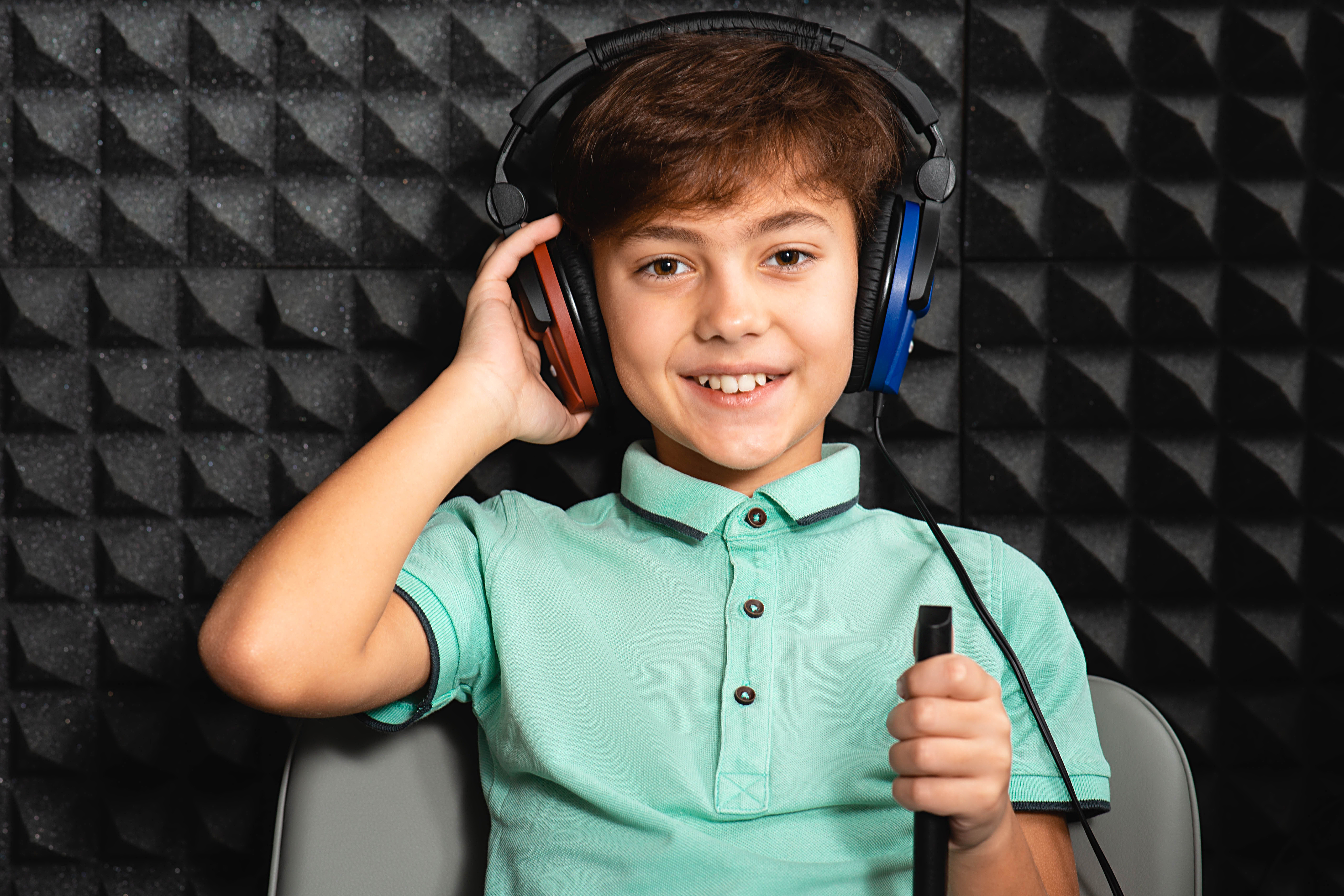
- For older babies who can sit up and turn their heads, the IHP Audiologist can test their hearing in a soundbooth while they are awake.
- The IHP Audiologist can often train or teach your baby to turn their head for different sounds using a visual reward. This is called Visual Reinforcement Audiometry (VRA).
- When children are a bit older, they can be taught to play a listening game with simple toys. This is called Play Audiometry.
- Together VRA and Play make up Conditioned Behavioural Audiometry (CBA).
- CBA can be done as young as 6 months of age for most children.
- While the ABR is often done soon after a refer on the hearing screening, CBA will be done later to monitor hearing levels as the child grows.
Finding hearing loss early helps families get the supports and services their child needs to maximize their development.
Learn more about what to expect during your baby’s hearing assessment.
Audiology Surveillance
Some babies are at risk for developing hearing loss later in childhood.
The IHP will tell you if your child has a risk factor for hearing loss. For children who have specific risk factors, the IHP will arrange hearing checkups - even for babies who passed the newborn hearing screening.
Depending on the risk factor, the IHP may recommend your child’s hearing be checked once after the newborn hearing screening or several times throughout early childhood (for example, up to age 5 years). The schedule of hearing checkups will vary depending on the risk factor and will be communicated to you by the IHP where you live.
Bringing your child to these hearing checkups is important. If hearing loss develops later, early identification helps ensure your child receives the right supports and services as soon as possible, reducing delays in speech, language and development.
Audiology Intervention
Permanent hearing loss (PHL) means that the hearing loss will not go away, and that your child will need ongoing support over time.
When a baby has PHL, families usually think about two connected areas:
- How their child will access and develop language
- How their child’s hearing will be supported
The Infant Hearing Program supports families in understanding these options and making informed choices based on their child’s needs and their family’s goals.
Improving Access to Sound Using Technology
For many types of PHL, technology can help improve access to sound.
- Children who are learning spoken language typically benefit from hearing technology.
- Children who use sign language as their primary language may or may not use technology, sometimes for sound awareness.
Your IHP care team will help you understand what technology options are available and what may be helpful for your child.
Hearing Aids to Support Spoken Language
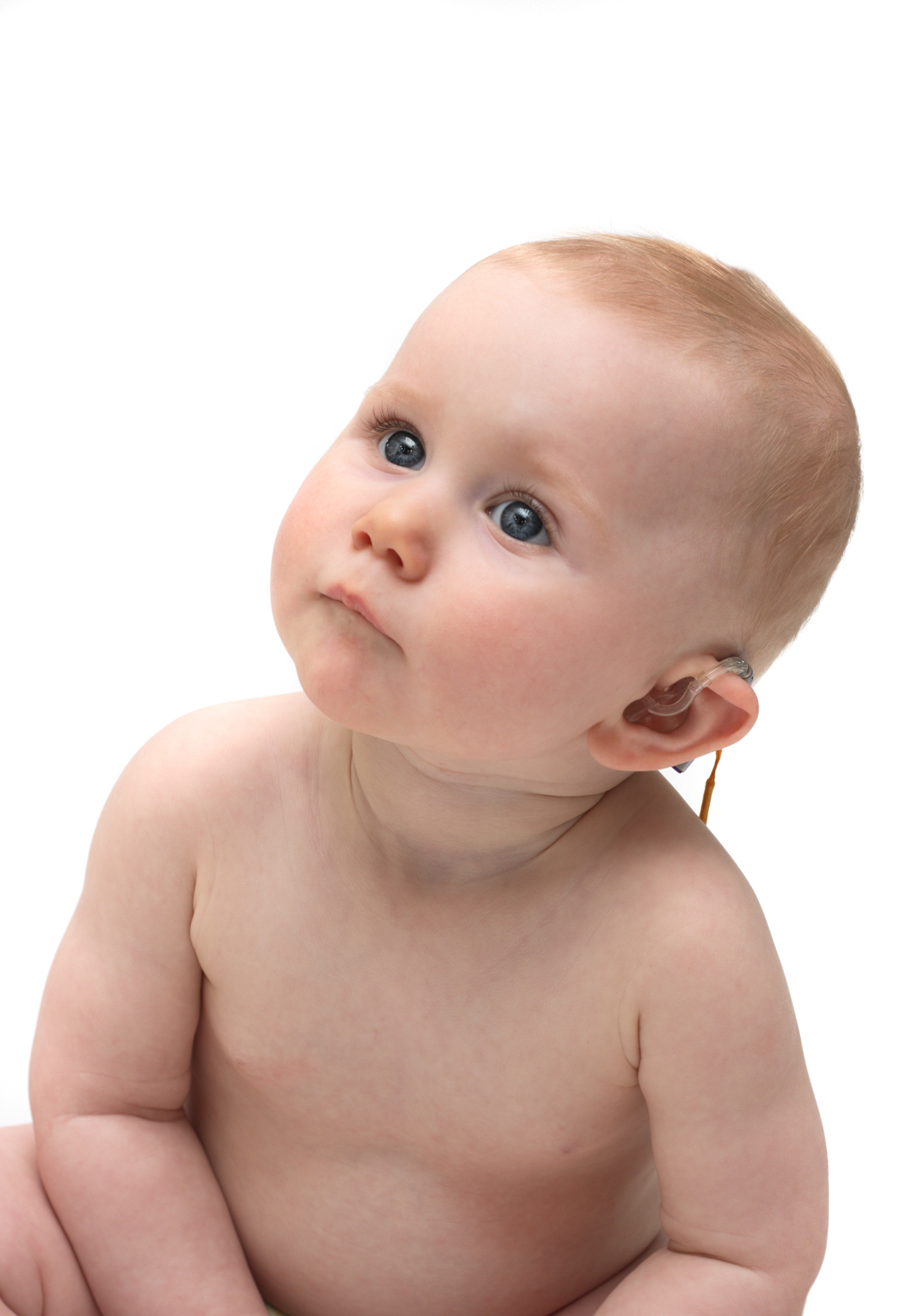
Infant Hearing Program audiologists have the expertise and technology to fit hearing aids for infants as young as three months of age.
Hearing aids for babies are:
- Carefully selected to fit very small, growing ears
- Programmed using well‑researched, evidence‑based techniques
- Adjusted to provide safe access to speech sounds needed for language learning
Your child’s hearing levels will be checked routinely, and hearing aids will be adjusted as your child grows. Research shows that regular and consistent use of hearing aids supports strong spoken language development in children with permanent hearing loss.
Cochlear Implants to Support Spoken Language
For some types and degrees of permanent hearing loss, cochlear implants may provide better access to sound than hearing aids.
Some families choose to explore cochlear implants as an option to support spoken language development. If this is something your family would like to learn more about, an IHP Audiologist can help with referrals to the appropriate cochlear implant programs at: